
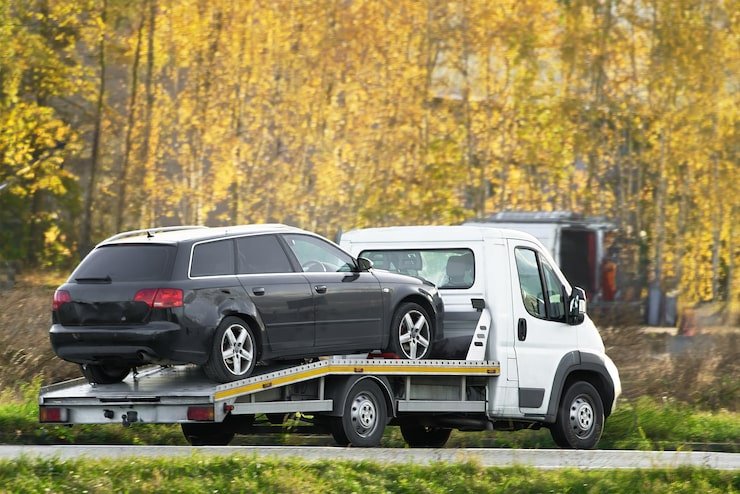
If your car is unsafe to drive, will not start, has broken down in traffic, or has been damaged in a collision, you should call a 24 hour vehicle recovery service in London straight away. In a city like London, fast help matters because TfL’s red routes make up only 5% of the road network but carry up to 30% of the city’s traffic, so even a minor breakdown can quickly become a bigger safety and traffic problem.
This is exactly why it helps to understand 24/7 vehicle recovery, breakdown towing in London, and accident recovery before you actually need them. Direct Motoring Group’s public service pages position the business as a London recovery and bodywork provider with 24/7 availability, East London roots, and support for areas such as Whitechapel, Canary Wharf, Stratford, and Hackney. The site also says the business has 15 years of vehicle recovery experience in London.
What Is 24 Hour Vehicle Recovery?
A 24 hour vehicle recovery service is a professional service that moves your car or van when it cannot be driven safely or legally. That can include roadside breakdown recovery, accident recovery, emergency towing, transport to a garage, or taking a non-runner to a body shop.
In simple terms
- Roadside assistance services try to fix the issue where the vehicle stopped
- Vehicle recovery service means the vehicle needs to be transported
- Accident recovery is used when crash damage makes the car unsafe
- 24/7 car recovery means help is available day and night, including weekends
For London drivers, that difference matters. A flat battery on a quiet residential street is one thing. A warning-light failure, overheating issue, or accident on a main London road is something else entirely.
Why 24/7 Recovery Matters More in London
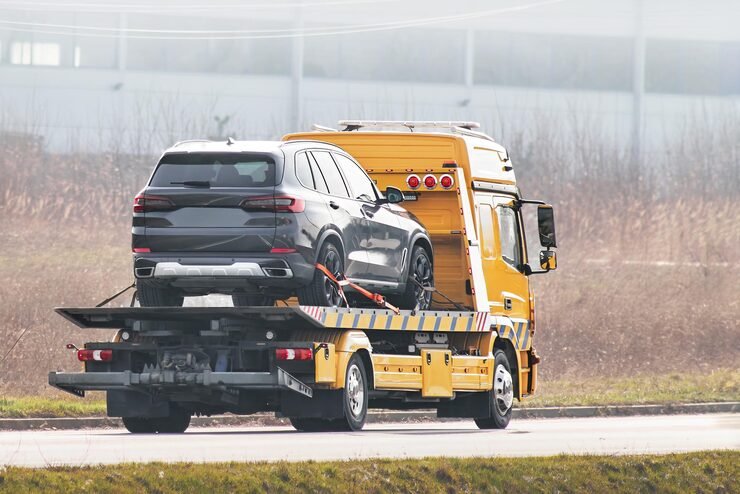
London driving puts vehicles under constant pressure. Stop-start traffic, congestion, tight junctions, narrow roads, busy delivery routes, and restricted stopping areas all make breakdowns more stressful. TfL’s red routes are designed to keep the city moving safely, which is one reason stranded vehicles on these roads need quick, professional handling.
Road safety also matters. TfL’s 2024 casualty report recorded 20,989 reported collisions in London, resulting in 110 deaths, 3,597 serious injuries, and 20,312 slight injuries. That does not mean every breakdown becomes an emergency, but it does show why safe decisions on London roads matter.
When Do You Need 24 Hour Vehicle Recovery in London?
The short answer is this: you need recovery when the car cannot continue safely.
Call for recovery if:
1. Your car will not start
This can happen because of:
- a flat battery
- starter motor failure
- electrical faults
- immobiliser issues
2. Your vehicle breaks down while driving
Common causes include:
- overheating
- sudden loss of power
- gearbox trouble
- clutch failure
- severe warning lights
3. You have been in an accident
Even after a low-speed collision, the vehicle may have hidden damage affecting:
- steering
- suspension
- brakes
- wheel alignment
- lights
- tyres
- body panels
4. Your vehicle is stuck in a risky location
This includes:
- red routes
- busy junctions
- narrow streets
- multi-lane roads
- awkward roadside positions where waiting is unsafe
5. You need late-night or weekend help
A breakdown at 11 pm in East London or early Sunday morning in West London is exactly when 24/7 recovery in London becomes essential.
6. You drive a van or work vehicle
If a van goes down, the problem is not only transport. It can also mean missed jobs, delayed deliveries, or lost business time, which is why van recovery London is an important part of professional vehicle recovery.
Breakdown Recovery vs Accident Recovery
Many drivers use these terms interchangeably, but they are not exactly the same.
Breakdown recovery
Used when the vehicle fails because of a mechanical, electrical, tyre, or battery issue.
Accident recovery
Used when the vehicle has been damaged in a collision and may no longer be roadworthy.
The key difference
A breakdown is usually a fault.
An accident recovery is usually a safety issue plus a fault or damage issue.
Common client mistake
One of the most common mistakes is thinking, “The engine still runs, so I can drive it.” That is not always true. If the steering feels off, a wheel is rubbing, a bumper is loose, or the brakes feel different after a collision, recovery is the safer option.
What To Do First If You Break Down in London
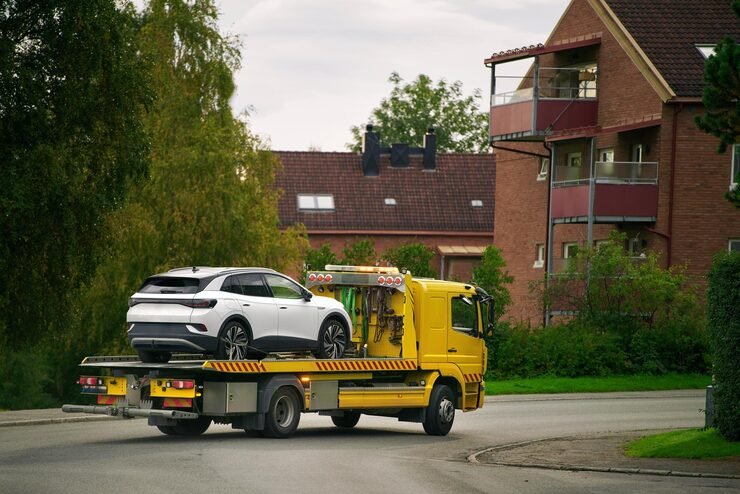
The Highway Code says drivers should try to stop in a place of relative safety, use hazard lights if the vehicle is causing an obstruction, and keep themselves and passengers away from moving traffic where possible. On motorways and other high-speed roads, the safest place to stop is usually a service area, emergency area, or hard shoulder if necessary.
Follow these steps
1. Move to a safer place if possible
If the vehicle can still roll safely, do not stop in the worst possible position.
2. Put your hazard lights on
This gives other road users a warning immediately.
3. Get passengers safe first
People come before the vehicle.
4. Avoid standing between the vehicle and traffic
The Highway Code specifically warns against this.
5. Call a professional recovery company
Give them:
- your exact location
- your registration
- the make and model if needed
- whether it is a breakdown or accident
- whether the vehicle moves at all
Real London Examples Drivers Recognise
Example 1: Rush-hour breakdown in North London
A car starts overheating in traffic and loses power. It may restart after cooling, but driving again could turn a moderate repair into engine damage. That is when fast roadside assistance and recovery make sense.
Example 2: Minor collision in East London
A vehicle is still running after a front-end bump near Whitechapel or Stratford, but the steering is off-centre and a panel is rubbing the tyre. This is not a “drive it home slowly” situation. It is an accident recovery situation.
Example 3: Late-night non-start in West London
A driver leaves work or an event and the vehicle will not crank. In that case, 24 hour car recovery is often more practical than waiting until morning, especially if the car is parked somewhere awkward or unsafe.
Example 4: Van breakdown in South London
A work van develops a fault before the first booking of the day. For businesses, recovery is not just about getting the vehicle moved. It is also about reducing downtime.
24 Hour Vehicle Recovery in London Cost: What Affects the Price?
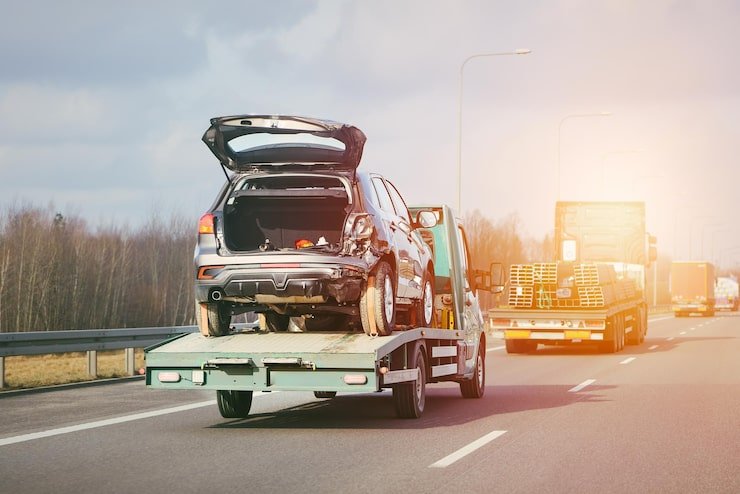
A lot of people search for 24 hour vehicle recovery in London price, 24 hour vehicle recovery in London cost, or even 24 hour vehicle recovery in London cheapest. That makes sense, but price alone should never be the only factor.
What usually affects the cost
- distance
- time of day
- emergency or standard callout
- weekday or weekend recovery
- vehicle size
- access difficulty
- breakdown vs accident damage
- whether specialist loading is needed
Cheap recovery vs professional recovery
The cheapest option is not always the best option. Very low quotes may leave out:
- mileage
- wait time
- night charges
- weekend charges
- accident handling
- transport to your preferred destination
Smart questions to ask before booking
- Is the quote fixed or estimated?
- Does it include night or weekend recovery?
- Can you recover accident-damaged vehicles?
- Can you take the car to a garage or body shop?
- Are there any extra mileage or loading charges?
That is the best way to compare vehicle recovery experts properly.
When to Call a Professional in London
You should call a professional in London when the issue affects safety, mobility, or roadworthiness.
Call now if:
- the car will not start
- the vehicle is unsafe to drive
- it is blocking traffic
- it has accident damage
- you see fluid leakage
- the brakes or steering feel wrong
- the vehicle overheated
- it is late at night or outside normal workshop hours
Do not try to “just make it home” if:
- a warning light suggests a serious fault
- the wheel alignment feels off
- smoke or a burning smell is present
- the car feels unstable
- body panels are loose after an accident
That decision alone can save you from a much bigger repair bill.
Prevention Tips: How to Reduce the Chance of Needing Recovery
THINK says most breakdowns are avoidable and recommends checking your tyres, fuel, oil, and water before travel. National Highways also says traffic officers deal with more than 85,000 breakdowns each year, and over 40% are caused by running out of fuel, poor tyre maintenance, power loss, and engine trouble.
Practical maintenance tips
- Check tyres weekly for pressure and damage
- Keep fuel above empty, especially before longer London journeys
- Watch coolant and oil levels
- Do not ignore warning lights
- Get servicing done on schedule
- Check lights and brakes regularly
- Prepare the car before airport runs, events, and weekend travel
London-specific advice
Short trips, idling, speed humps, potholes, constant braking, and stop-start traffic all add wear. That is why city cars often need more attention than drivers expect.
Nearby Areas We Cover Across London
Direct Motoring Group’s public recovery page strongly references East London and E1, including Whitechapel, Canary Wharf, Stratford, and Hackney, while the wider site presents vehicle recovery and bodywork services for London drivers more generally.
That makes this topic relevant for drivers in:
- East London
- North London
- South London
- West London
- Central London
- Greater London routes and surrounding travel corridors
Why Choose Us for 24 Hour Vehicle Recovery in London
Direct Motoring Group’s site presents the business as a provider of 24/7 vehicle recovery and car bodywork repairs in London, and its 24-hour breakdown recovery page emphasizes fast response, safe vehicle handling, and support for East London locations including Whitechapel, Canary Wharf, Stratford, and Hackney. The contact page also highlights business-side trust signals such as recovery bookings, roadside services, and 24/7 emergency recovery.
Why that matters for customers
- You are not dealing with a generic towing-only brand
- Recovery and repair knowledge sit under the same business
- Accident-damaged vehicles can be handled with the next step in mind
- Local road knowledge helps in busy London conditions
- Support is positioned around fast, practical help rather than guesswork
For drivers, that means less stress and a clearer path from roadside problem to proper repair or safe transport.
Final Thoughts
The best time to think about 24 hour vehicle recovery in London is before you need it. Once your car becomes unsafe, immobile, or damaged in a risky location, the right move is to stop, stay safe, and get professional help.
If you want support from a London recovery and repair business, connect this blog to your 24 Hour Breakdown Recovery service page and use it as the main CTA destination for drivers who need urgent help now.
7 Local FAQs
What is 24 hour vehicle recovery in London?
It is a service that helps move your car or van any time of day or night when it cannot be driven safely.
When should I call 24/7 car recovery in London?
Call as soon as the vehicle is unsafe, will not start, breaks down in traffic, or has accident damage.
Is accident recovery different from breakdown recovery?
Yes, accident recovery is for collision-damaged vehicles, while breakdown recovery is for mechanical or electrical failures.
How much does 24 hour vehicle recovery in London cost?
The price depends on distance, timing, vehicle type, access, and whether the vehicle is broken down or accident-damaged.
Do you cover areas outside East London?
Yes, this blog is written to support all London areas, including North, South, East, West, Central, and Greater London searches.
Can a recovery company take my car straight to a garage or body shop?
Yes, a recovery company can usually transport your vehicle directly to a home, garage, workshop, or body shop.
Can regular checks really reduce breakdowns?
Yes, official road-safety guidance says many breakdowns are avoidable with simple checks such as tyres, fuel, oil, and water.